Solvent Recovery System in Gravure: A Clear, Practical Guide
This article explains, in simple language, how a solvent recovery system in gravure printing works, why it matters for cost control and environmental compliance, and what real numbers to look at when choosing a system.
In gravure printing, large volumes of organic solvents are used to dissolve inks and adjust viscosity. These solvents evaporate quickly during drying, and if not recovered, they become both a cost burden and an environmental problem. A well‑designed solvent recovery system in gravure can turn this "waste" vapor into reusable solvent, significantly cutting purchase costs and lowering volatile organic compound (VOC) emissions.
Author's Note: Why Solvent Recovery Matters More Than Ever
Over the last decade, several national and regional studies have shown that solvent use in printing can account for 50–70% of total VOC emissions in packaging plants. According to a 2022 report from the European Printing Ink Association, gravure and flexographic printing together contribute over 40% of VOC emissions from the printing sector, largely due to solvent evaporation in drying processes.
Why a Solvent Recovery System in Gravure Matters
Without recovery, most of the solvent used in gravure printing exits the dryer as vapor and is discharged through exhaust systems. This affects three core aspects of a printing plant:
Solvent cost – fresh solvent purchases increase linearly with production volume.
Environmental compliance – VOC emission limits are becoming stricter in many regions.
Workplace safety – high solvent concentrations increase fire and explosion risk.
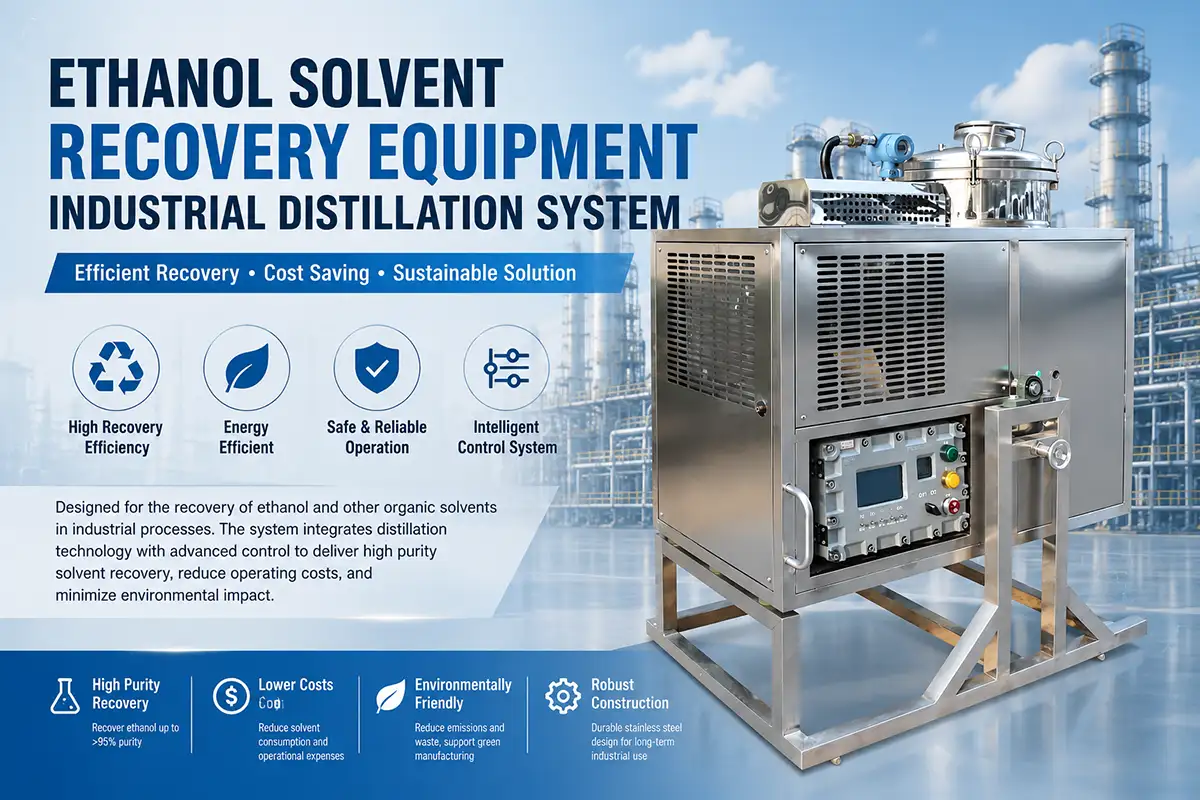
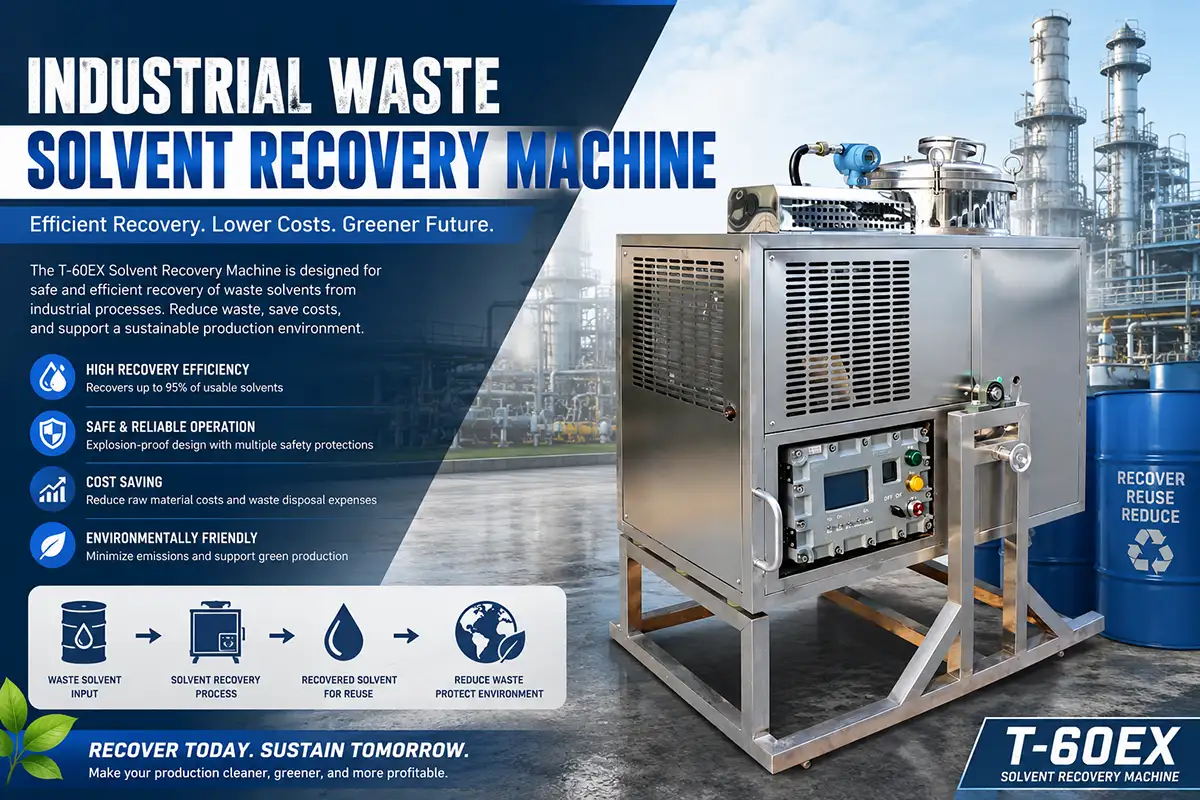
Industry Insight: A recovery system collects solvent vapors from the dryer, cools and condenses them, and then purifies the condensed mixture by distillation or other separation technology. Many systems can reach 90–95% recovery efficiency under well‑controlled conditions.
Key Question: Could a solvent recovery system in gravure pay for itself quickly, or is it mainly for environmental compliance?
When solvent consumption is high, payback can be surprisingly fast. For example, a mid‑size gravure plant consuming 1,000 tons of solvent per year and recovering 80% can reduce fresh solvent purchases by around 800 tons annually. Even if only half of this recovered solvent is reused directly in the ink kitchen, the cost savings are substantial. In many real projects, payback occurs in about 1.5–3 years.
How a Solvent Recovery System in Gravure Works
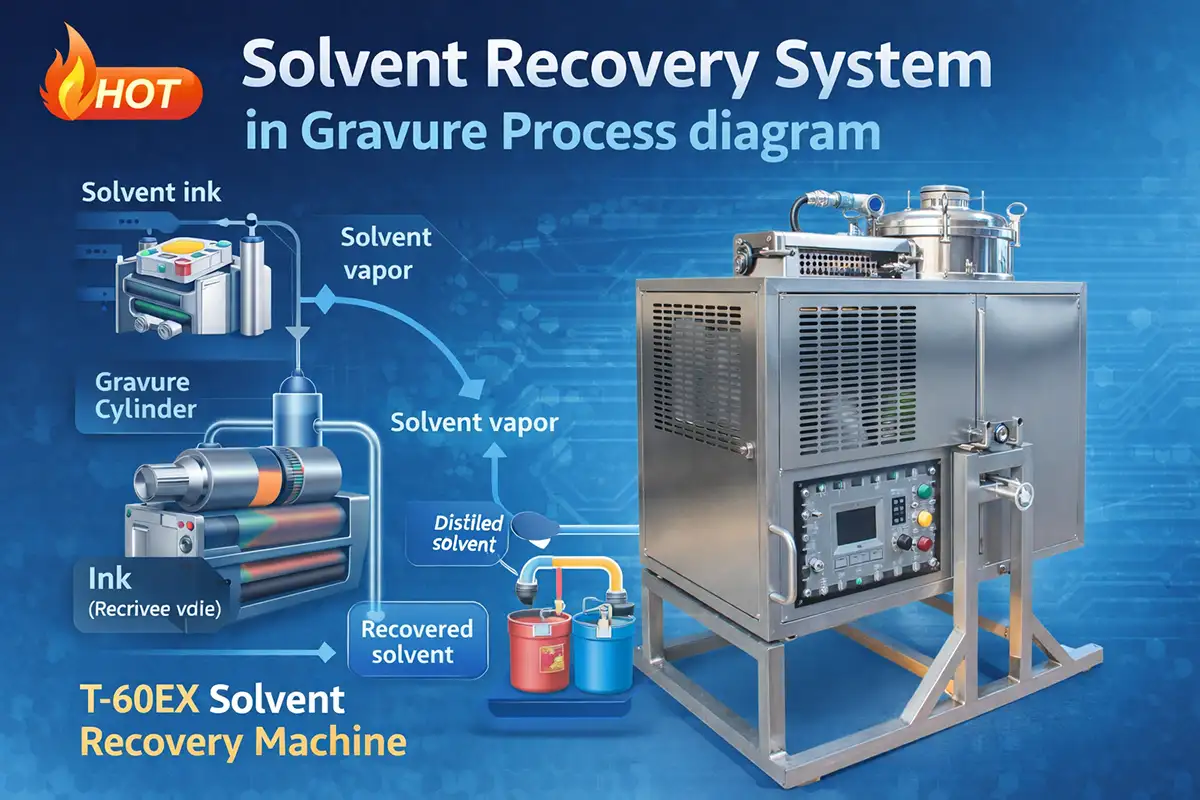
Most gravure printing lines share a similar recovery process, even if the exact equipment model differs. The core stages are:
Exhaust Collection
Exhaust ducts collect solvent‑laden air from drying units. Modern lines keep solvent concentrations below 25% of the lower explosive limit (LEL) with continuous monitoring.
Adsorption or Condensation
Two technologies are used:
Condensation systems – exhaust gas is cooled so solvents condense into liquid
Adsorption systems – activated carbon captures solvents that are later desorbed
Distillation & Refining
Collected liquid is separated using distillation. Modern solvent recycling machines include vacuum operation and automatic temperature regulation to improve purity and reduce energy use.
Storage & Reuse
Clean solvent is stored for:
Return to ink formulation
General cleaning use
Other production steps
Key Technical Parameters
When comparing different solvent recovery systems for gravure printing, parameters matter more than marketing slogans:
| Parameter | Typical Range | Significance |
|---|---|---|
| Exhaust Air Flow Rate | 10,000–80,000 m³/h | Determines system capacity required for your print lines |
| Solvent Concentration | 1–20 g/m³ | Impacts recovery efficiency and safety design requirements |
| Recovery Efficiency | 85–95% | Percentage of solvent captured vs. total entering exhaust |
| Purity of Recovered Solvent | > 99% | Determines reuse potential for ink formulations |
| Energy Consumption | 0.25–0.45 t steam/ton solvent | Primary operating cost driver |
| Automation Level | Manual to Fully Automatic | Impacts staffing needs and operational stability |
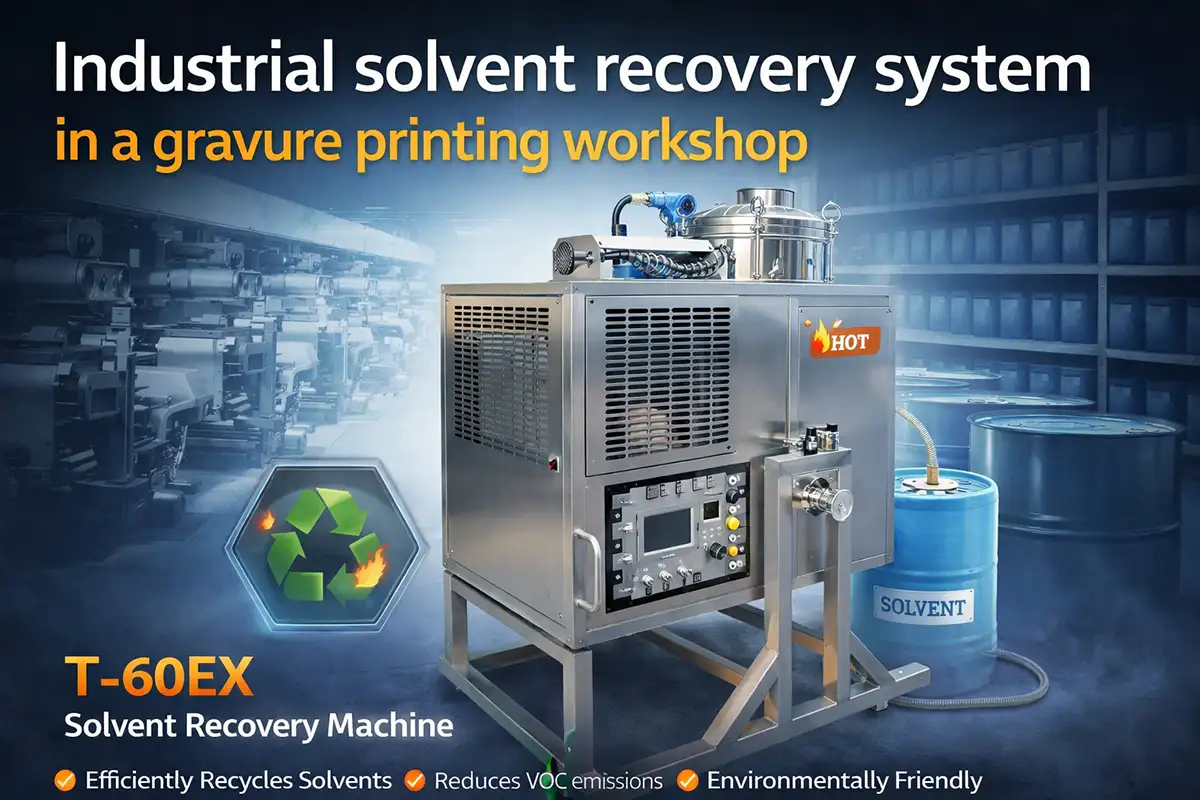
Economic & Environmental Benefits
Cost Reductions
50-70% reduction in net solvent purchases significantly improves profitability. Payback typically occurs in 1.5-3 years.
VOC Compliance
Achieve 70-90% VOC emissions reduction to meet strict environmental regulations and avoid penalties.
Brand Value
Demonstrate sustainability to clients. Major brands increasingly value low-VOC supply chains.
Data Snapshot: Real Performance Metrics
A technical report analyzing gravure plants concluded that combined recovery and optimized process control reduces VOC emissions per square meter of printed area by up to 60% compared to uncontrolled systems.
How to Choose the Right System
Selection should be driven by specific production data rather than just capacity ratings:
Match Production Configuration
Consider number of print lines, web speed, and dryer design. Misalignment creates bottlenecks or underutilization.
Flexible Solvent Handling
Ensure compatibility with current solvent formulations and flexibility for future formulation changes.
Automation Level
For medium-to-large plants, full automation improves safety, consistency, and traceability.
System Integration
Look for systems that integrate with printing line controls, plant safety systems, and data acquisition.
Frequently Asked Questions
For most applications, recovered solvent with purity above 99% can be directly used in ink formulations, particularly for non‑critical layers. For high-sensitivity applications (like food packaging), many plants prefer to use recovered solvent for cleaning or non-contact layers.
The optimal strategy should be determined with your ink supplier. Learn more about solvent handling safety in our guide.
When recovery and distillation are properly designed, the main solvent composition remains within specification, with no negative impact on color, adhesion, or drying behavior. Many plants actually report more stable production after installing recovery systems because solvent composition is monitored more carefully throughout the process.
Based on data from plants in Asia and Europe, typical payback ranges from 1.5 to 4 years. Facilities with high solvent consumption, local solvent prices, or strict VOC charges achieve payback faster. Actual calculations should include:
Solvent savings projections
Energy and maintenance costs
Avoided regulatory fees and penalties
Potential brand premium for sustainability
Use our ROI calculator to estimate potential savings.
Optimize Your Gravure Operation Today
Discover how a tailored solvent recovery system can transform your printing process by cutting costs, ensuring compliance, and enhancing sustainability.
Request a Custom SolutionConclusion: Transforming Solvent from Cost to Asset
A well-designed solvent recovery system in gravure has evolved from an environmental solution to a core component of profitability. With VOC regulations tightening globally and solvent prices increasingly volatile, recovery technology transforms evaporated chemicals into reusable resources.
By understanding how recovery works, which parameters matter most, and selecting systems aligned with your production requirements, gravure printers can unlock substantial value. When planning new printing lines or upgrading existing infrastructure, solvent recovery systems deserve serious consideration as they deliver increasing returns each year of operation.