Acid Recycling: Turning Industrial Waste into Sustainable Resources
Discover how acid recycling technology is transforming chemical waste management and reducing environmental impact.
Explore Recycling SystemsWhat Is Acid Recycling?
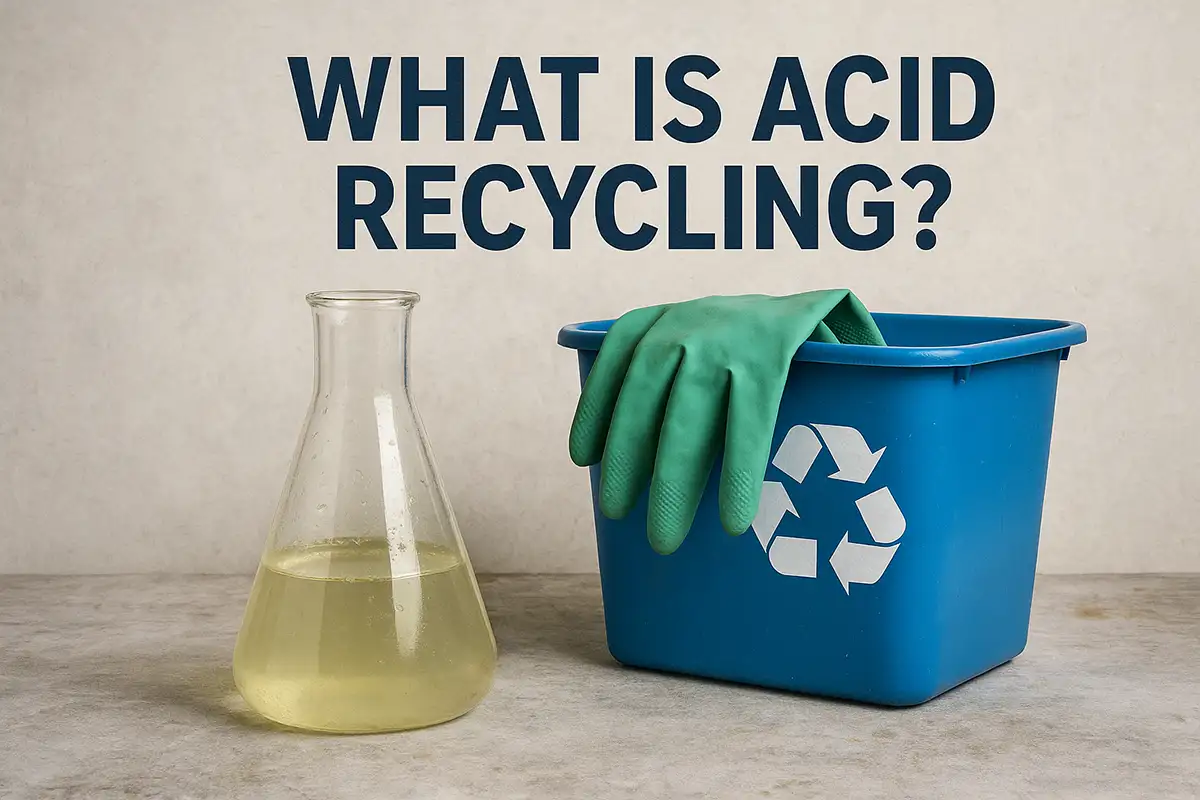
Acid recycling refers to the process of recovering and reusing acids that are used in industrial applications such as metal finishing, electronics manufacturing, and chemical production. Instead of disposing of spent acid - which can be hazardous and require special solvent waste management - industries can regenerate and reuse it through advanced recovery systems. This approach not only minimizes waste but also significantly reduces the need for fresh acid production, lowering operational costs.
Why Acid Recycling Matters
According to a 2023 report by the International Energy Agency (IEA), industrial chemical waste accounts for nearly 20% of hazardous waste globally. Recycling acids can cut this figure dramatically, as it prevents the release of toxic substances into soil and water sources. Implementing proper solvent waste disposal through recycling is critical.
Moreover, acid recycling supports circular economy goals by turning what was once waste into a valuable resource. From an economic standpoint, acid recycling can reduce raw material costs by up to 50%, depending on the process and acid type.
How Does Acid Recycling Work?
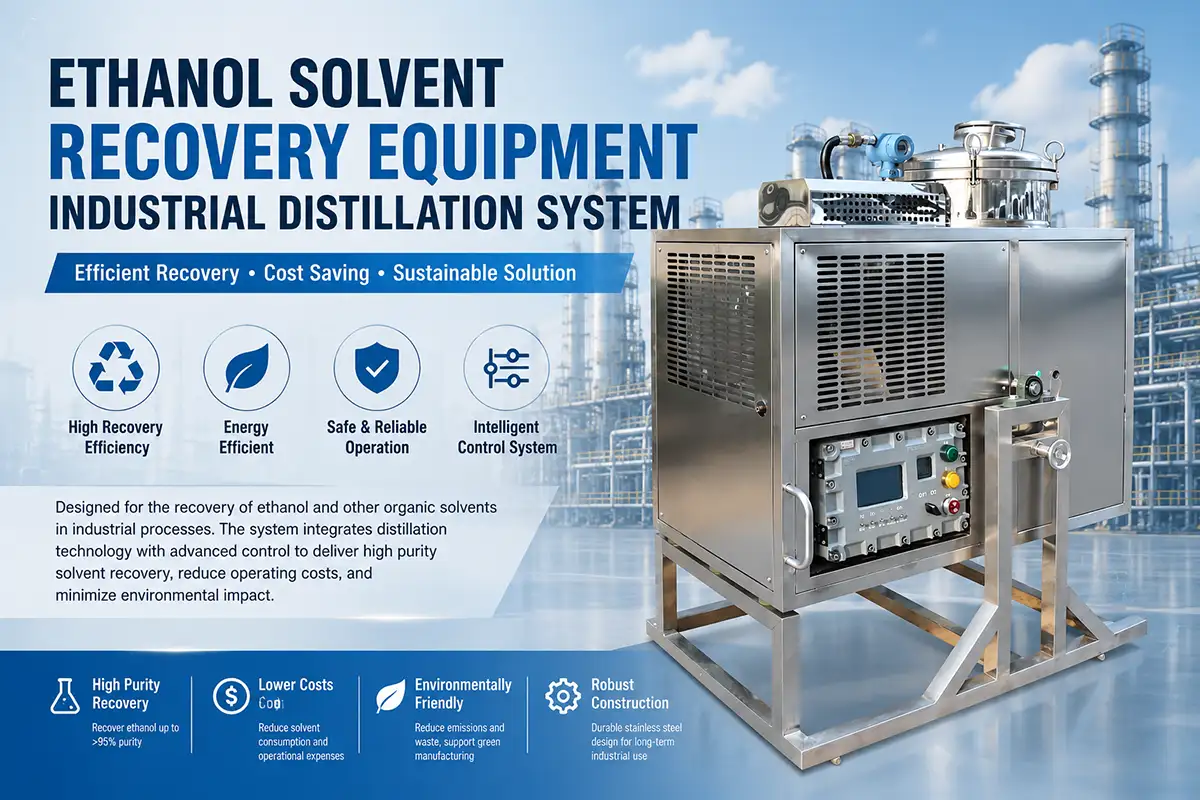
Acid recycling typically involves a combination of filtration, distillation, and chemical regeneration. The goal is to remove impurities and restore the acid's concentration to usable levels. Specialized solvent recycling systems play a crucial role in achieving efficient recovery rates.
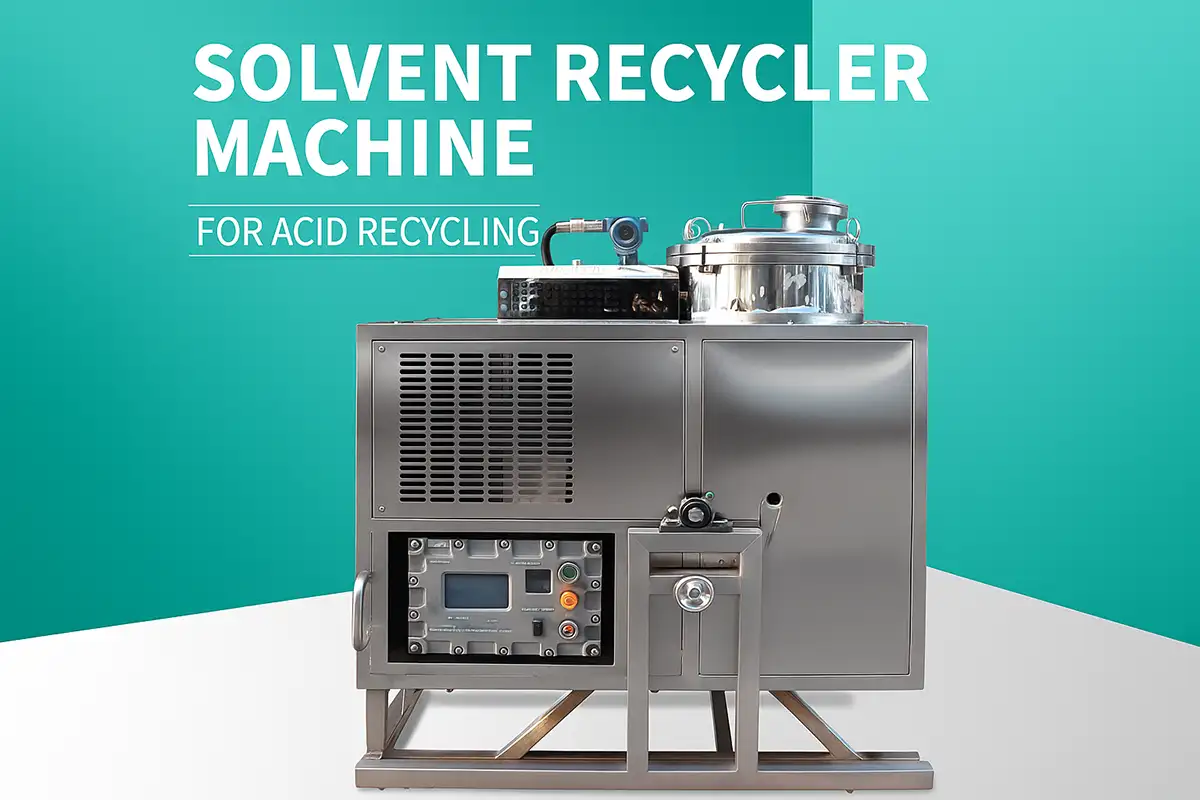
For instance, in metal finishing plants, hydrochloric acid used for pickling steel can be regenerated using diffusion dialysis or distillation. The recovered acid is then reused, while the waste residue is minimized through advanced solvent recovery techniques.
Applications of Acid Recycling
Acid recycling is widely used across multiple high-impact industries, especially those using solvents at scale:
Metal finishing and electroplating - Where hydrochloric acid is commonly regenerated
Battery manufacturing - With sulfuric acid being recovered and reused
Electronics and semiconductor production - Requiring nitric acid recycling
Petrochemical and pharmaceutical sectors - Utilizing complex solvent recovery machines
| Industry | Common Acid Used | Recycling Method | Recycling Efficiency (%) |
|---|---|---|---|
| Metal Finishing | Hydrochloric Acid | Diffusion Dialysis | 85–95% |
| Battery Manufacturing | Sulfuric Acid | Distillation | 90–98% |
| Electronics | Nitric Acid | Ion Exchange | 80–90% |
Environmental Impact and Data Insights
A study by the European Environmental Agency (EEA) in 2022 found that acid recycling can reduce CO2 emissions by up to 40% compared to producing new acid. Implementing modern solvent recovery systems also saves up to 70% of the water normally used in neutralization processes.
“Recycling acids is not just about waste reduction; it's about optimizing industrial sustainability and embracing circular economy principles across manufacturing sectors.” — EEA Report 2022
Can acid recycling completely eliminate the need for new acid production?
Not entirely. While recycling can recover a large portion of used acid, there are always small losses due to impurities or degradation. Modern solvent recycler machines like our closed-loop systems achieve over 95% recovery rates, significantly reducing new purchases.
Is acid recycling safe for workers and the environment?
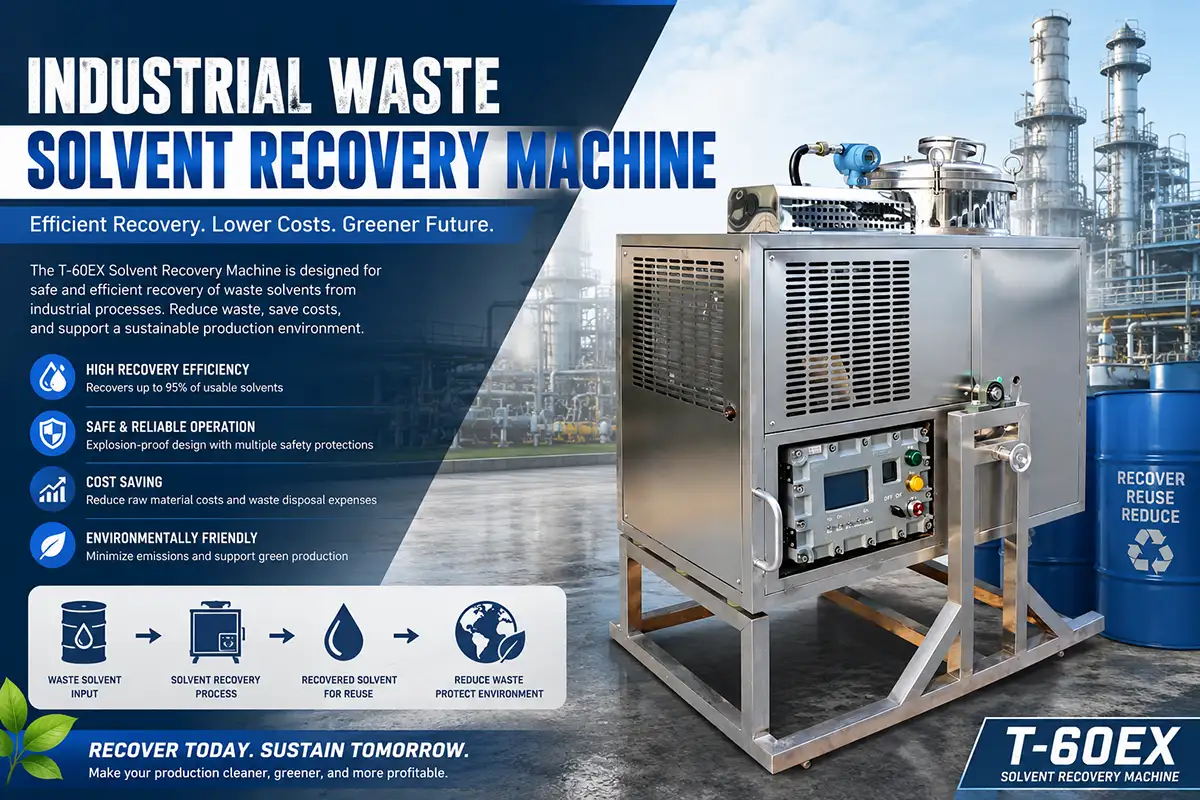
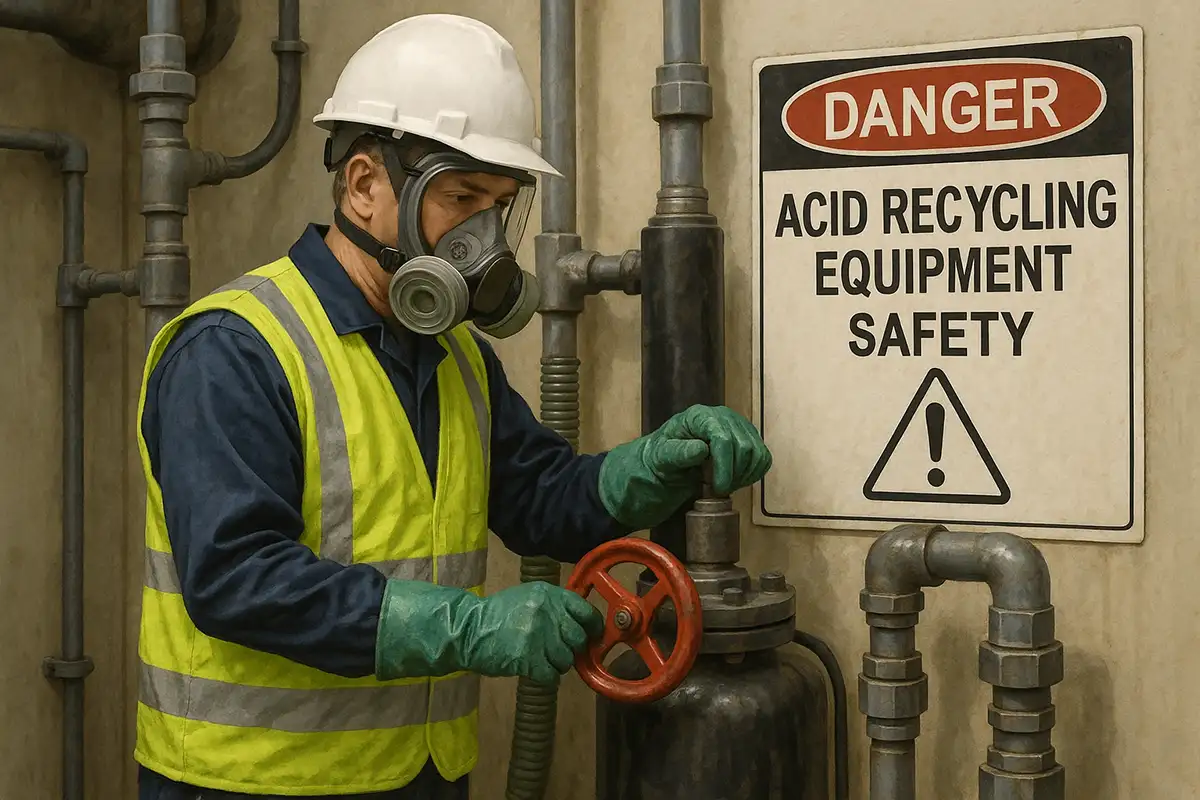
Yes, with proper safety protocols. Advanced solvent recycling systems are designed with:
Automatic pressure/temperature controls
Leak detection systems
Closed-loop operations
Remote monitoring capabilities
This ensures compliance with environmental standards.
Choosing the Right Equipment
Selecting optimal acid recycling equipment depends on factors such as acid type, concentration, and volume. For example, a solvent recovery system may be ideal for mixed chemical waste streams, while a dedicated acid regeneration unit is better for single-acid processes.
Modern systems incorporate automation and digital monitoring to optimize efficiency. According to a 2023 U.S. Department of Energy report, automated solvent recovery units can improve operational efficiency by up to 25% while reducing human error.
Economic Benefits
Beyond environmental advantages, acid recycling delivers substantial financial returns:
50% reduction in raw material costs
80% savings on waste disposal fees
30% reduction in environmental compliance costs
ROI achieved within 2-3 years with modern equipment
The integration of acid recycling with solvent recovery creates synergies—one system can handle multiple waste streams, maximizing ROI for facilities using versatile solvent recyclers.
Ready to Transform Your Waste Stream?
Discover how our industrial acid recycling solutions can reduce your disposal costs by 30-70% while boosting your sustainability credentials.
Contact Us Calculate Your SavingsFuture Outlook
The future of acid recycling lies in hybrid recovery systems combining physical and chemical regeneration. As industries move toward net-zero emissions, acid recycling becomes a cornerstone of sustainable manufacturing. Experts predict that by 2030:
90% of manufacturers will use solvent recovery technology
$7.2B USD will be invested in chemical recycling infrastructure
AI-driven systems will reduce energy consumption by 30%
Research from the National Institute of Standards and Technology (NIST) confirms that AI-optimized recycling systems significantly outperform conventional setups.
Conclusion
Acid recycling is a critical component of industrial sustainability strategies. By adopting advanced solvent recycler machines and recovery systems, industries can simultaneously cut waste disposal costs, reduce environmental pollution, and fulfill corporate social responsibilities.
Whether in metal finishing, electronics, or chemical manufacturing, the shift toward acid recycling marks a fundamental progression toward circular chemistry. With continuous innovation in sustainable technologies, industries are now positioned to turn chemical waste streams into valuable resources.