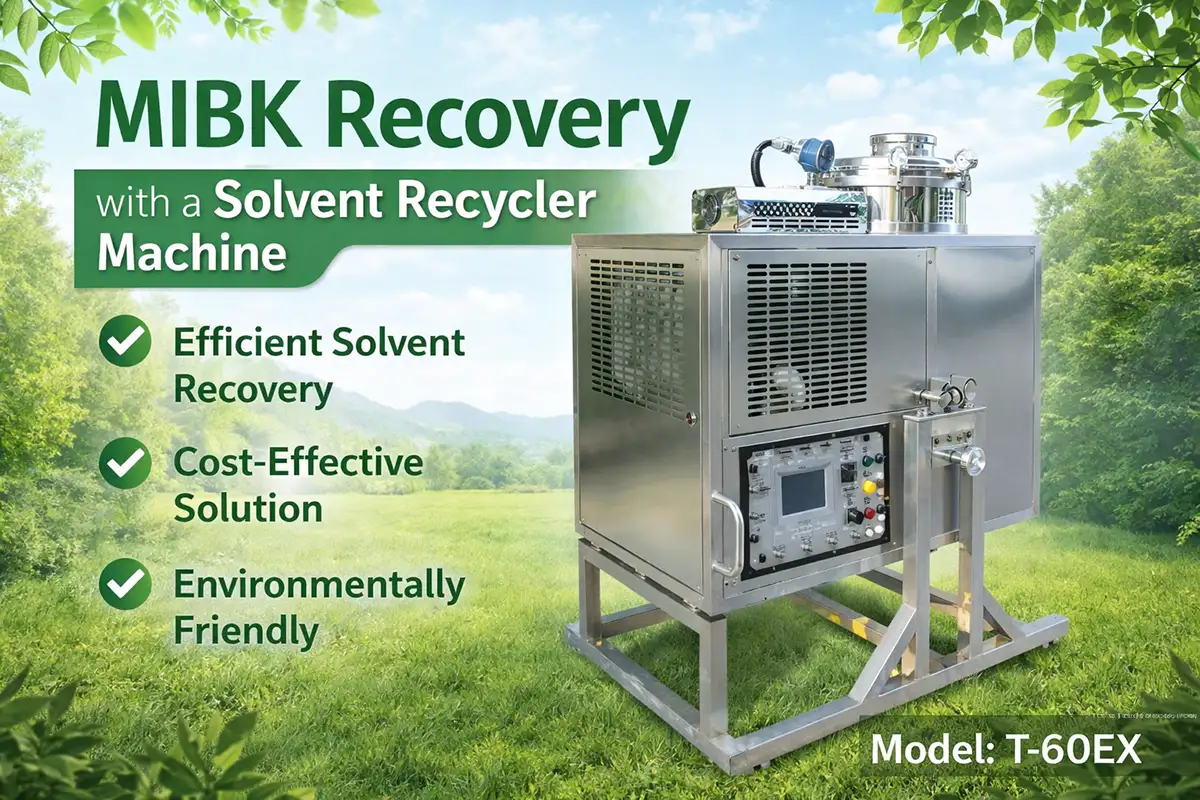
MIBK Recovery: How to Reduce Odor and Residual Impurities
Learn practical, easy-to-follow steps to reduce MIBK odor and residual impurities during recycling. Understand why smells happen, how a solvent recovery machi...
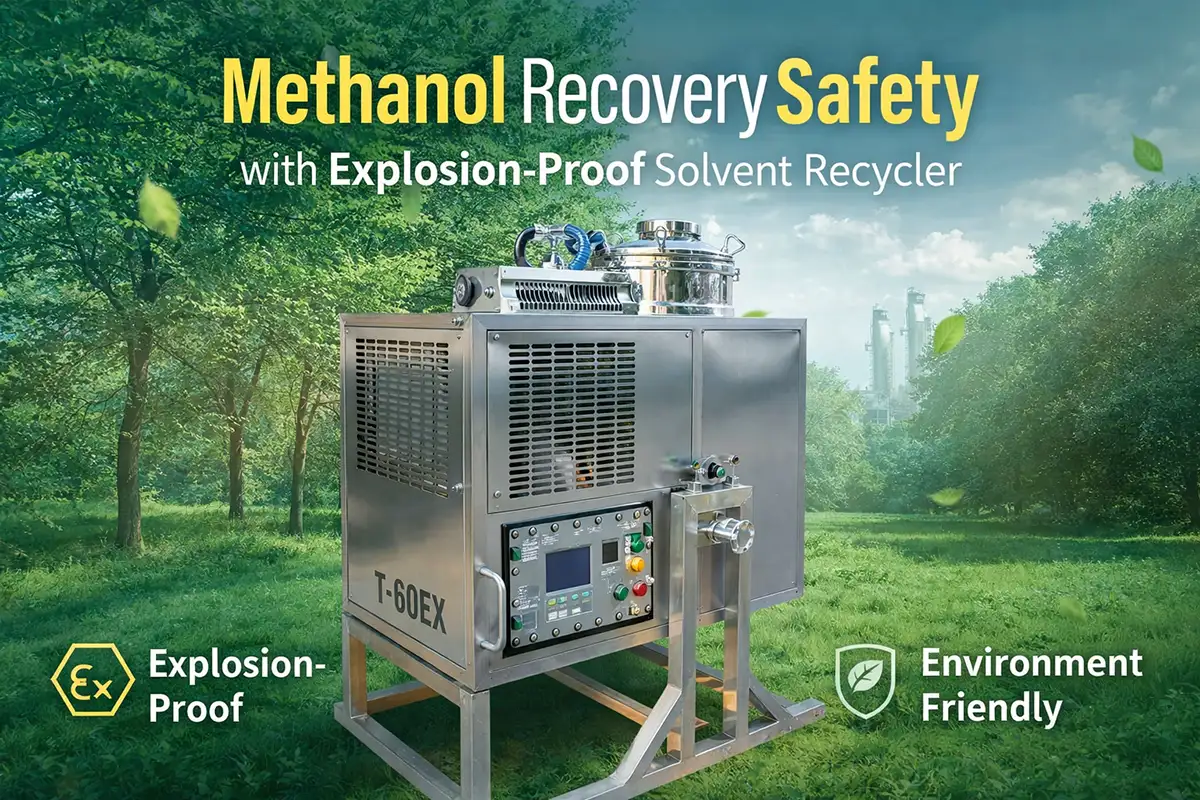
A practical, plain-English guide to methanol recovery safety—explosion-proof design, ventilation basics, and static electricity control—plus how a solvent rec...
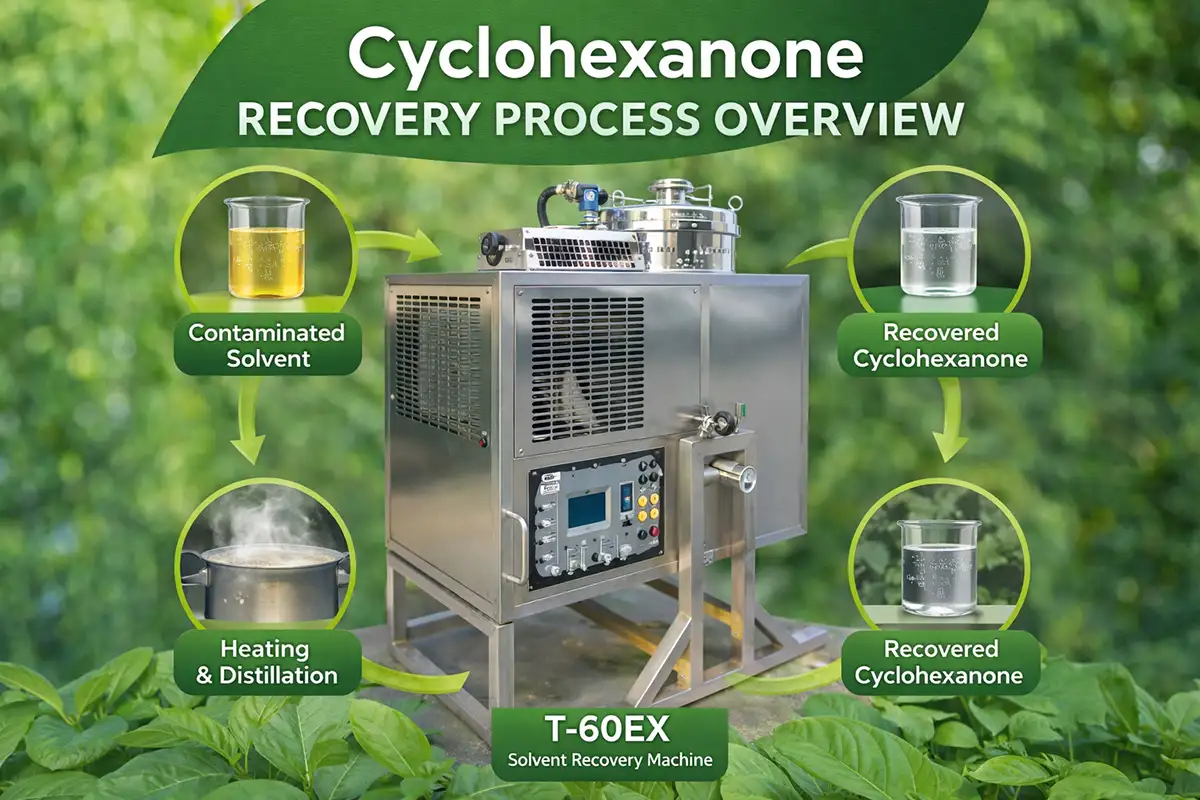
Cyclohexanone recovery explained in plain English: why high-boiling ketones are harder to reclaim, which process choices work, and how an explosion-proof solv...
A practical, plain-English guide to ethanol recovery in pharmaceutical and laboratory workflows: why recover ethanol, how solvent recovery systems work, safet...
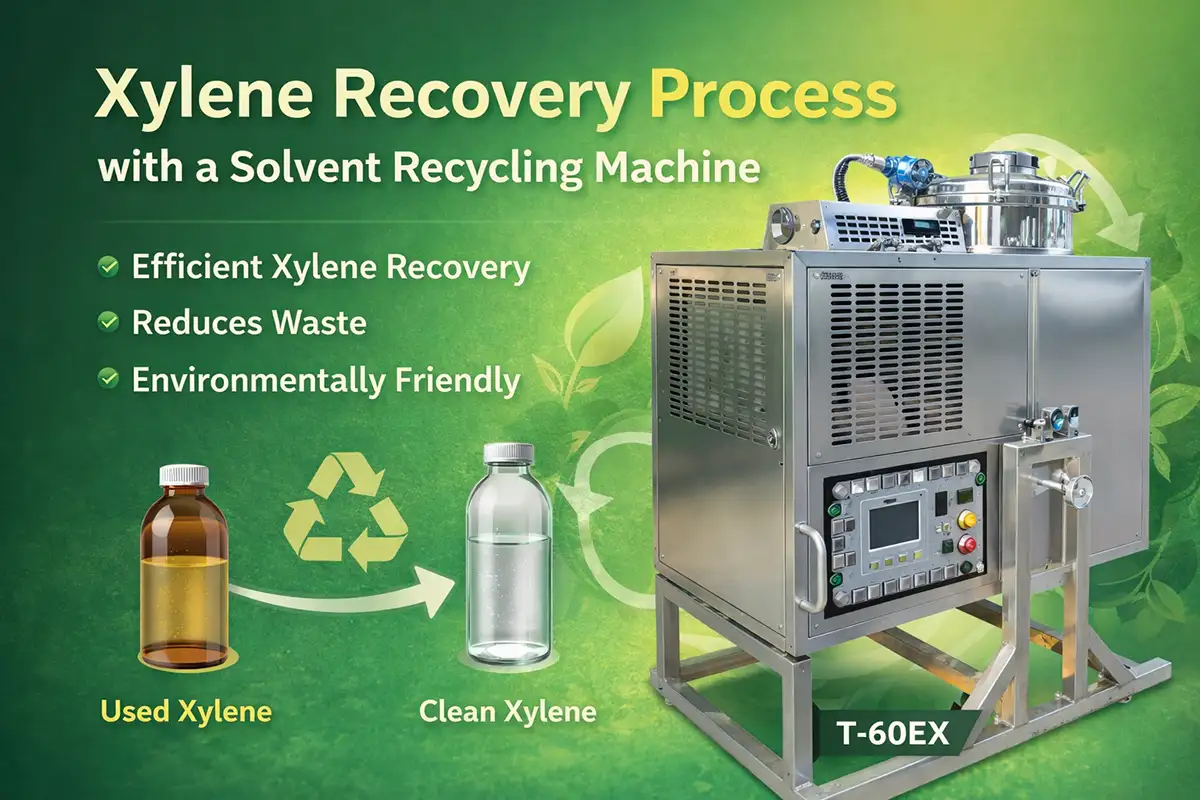
Learn how xylene (dimethylbenzene) recovery works, why it reduces hazardous waste, and how a solvent recycling machine creates a closed-loop solvent system wi...
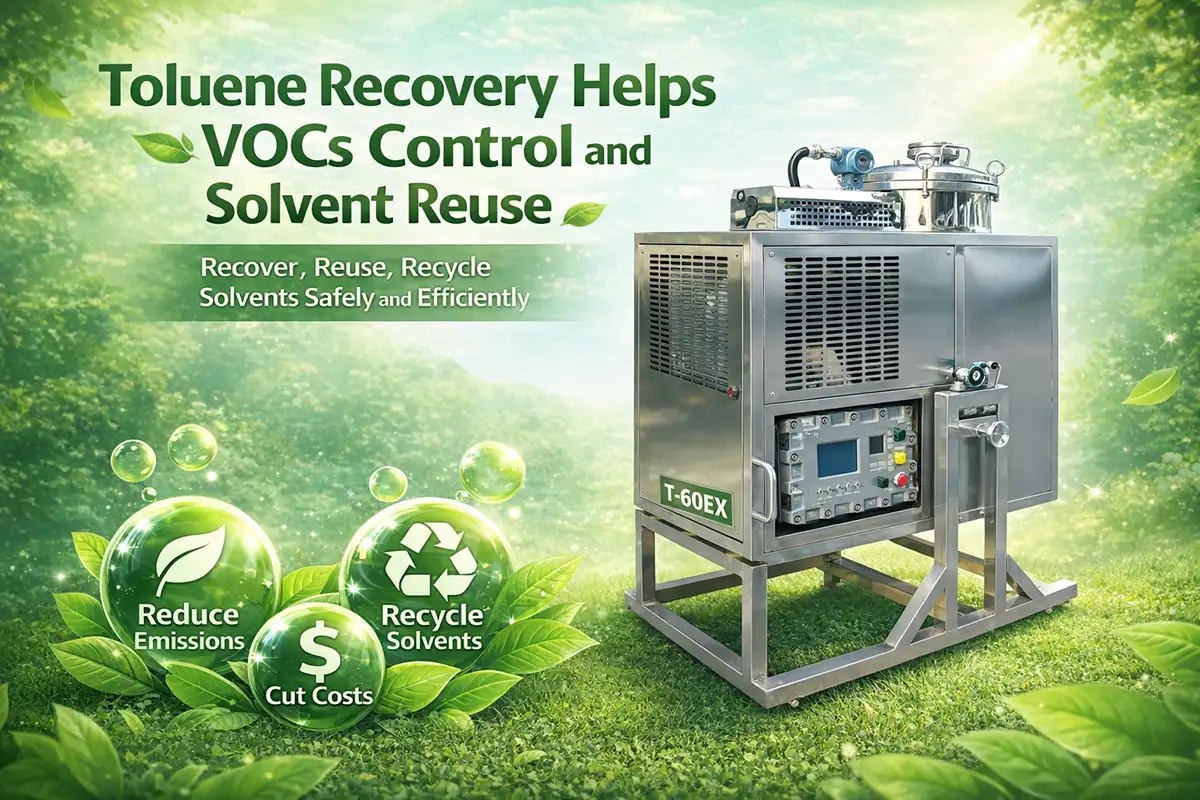
Learn how toluene recovery helps control VOC emissions while reusing valuable solvent. Plain-English guide to solvent recovery systems, key specs, safety, and...
Learn why ethyl acetate recovery is a major cost lever in printing and coating. Understand the basics of solvent recycling machines, typical recovery rates, s...
A plain-English guide to MEK (methyl ethyl ketone) recovery: why recovered MEK quality drops, why recovery rate falls, how to reduce residue, and how a solven...
A practical, easy-to-understand guide on keeping recovered IPA purity stable at 99% using a solvent recovery machine: key process controls, water management, ...